

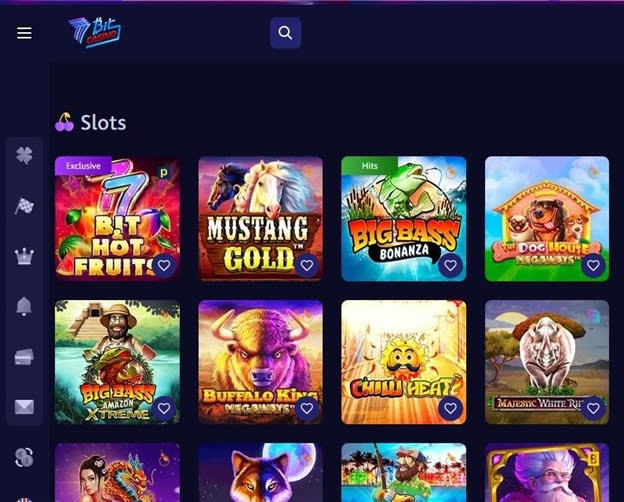
I accessed my Crazytower Casino account this morning assuming the usual lobby, but instead I discovered a completely redesigned personal space that seemed akin to a command center than a gambling site crazy-towercasino.com. The platform has quietly launched a custom dashboard adapted to the Canadian market, and it instantly alters how I use every feature. Removed is the clutter of generic menus and pop-ups. In its place sits a uncluttered, modular interface that remembers my preferences, brings up the games I really play, and positions real-time account data front and center. This is not a cosmetic refresh. It is a structural rethink of the player account area, intended to reduce friction and allow me manage my entire experience from one screen that loads in under two seconds on a standard home connection.
The Importance of a Personal Dashboard
Before this update, navigating an online casino was like wandering a warehouse without signs. I had to navigate several layers just to view a balance or locate a particular live dealer table. The new dashboard brings everything together into one unified view, and that is significant because it preserves cognitive energy. Rather than memorizing where different tools are located, I now find them presented as tiles, widgets, and collapsible cards I can reorganize. This transition from a site-oriented design to a player-oriented dashboard mirrors a wider industry trend where customization is now essential. For a Canadian audience that often manages several payment options and game types, having a central cockpit minimizes the minor annoyances that build up during a session and subtly drive users to other sites.
User onboarding and Account creation
I set up a brand‑new account to test the process from the beginning, and the dashboard begins demonstrating its worth during the sign‑up process. Rather than dumping me into a generic lobby, the interface presented a few short questions about my gaming preferences, deposit behavior, and language selection (English or French). Those answers shaped the first dashboard layout without delay. The verification process integrated with a document upload module that showed a clear progress bar, so I never wondered whether my identification was pending or rejected. In under three minutes I had a fully functional hub with my preferred nickname visible, my default currency as Canadian dollars, and a quick‑start panel recommending three slots matching my chosen volatility. The process didn’t feel invasive, yet personalization was evident right away.
Security Features Integrated into the Hub
Two-Factor Authentication Setup
Enabling two-factor authentication does not require navigating away from the dashboard and searching through account settings. A specialized security card on the dashboard enabled me to set up TOTP-based 2FA with a QR code scan, then confirmed the modification with a test prompt. Once active, any login from a new device initiates an approval request that displays as a push notification if I am already logged in elsewhere, or as a standard code entry. The dashboard also shows an active sessions list with IP addresses and browser fingerprints, so I ended a session from last week that listed a different city, probably my own VPN connection, but the option to end it instantly was reassuring.
Session Monitoring
A live tile shows my current session duration, average bet size relative to my historical baseline, and a gradual color gradient that shifts from green to amber if my play patterns differ noticeably from my usual behavior. This is not a strict responsible gambling intervention, but it acts as a gentle mirror. I caught myself chasing a loss on a roulette table, noticed the tile had turned amber, and stepped away for ten minutes. The data remains confidential to my account, and no notification disturbed the flow, yet the visual cue worked. For players who want more direct controls, the same tile links to deposit limits and cooldown options without leaving the page.
Dashboard Structure and Core Modules
Live Activity Log
The central column displays a continuously updating activity stream that chronicles every deposit, withdrawal, bonus activation, and game session in chronological order. I can filter it by date range or event type, and each entry unfolds to show specifics such as the exact game ID, session duration, and net result. This transparent timeline removes the en.wikipedia.org need to dig through separate transaction pages, and I found myself using it as a running diary of my play without any extra effort. If a charge appears unknown, I can flag it directly from the stream, triggering a support ticket that pre-fills with the transaction hash. The emotional effect is a sense of control that generic account histories rarely provide.
Wallet & Transaction Summary
To the right appears a wallet panel that surpasses a simple balance number. It divides available funds from bonus money, shows a mini pie chart of my deposits by method, and features a pending withdrawal timer that counts down in real time. When I made an Interac e-Transfer, the dashboard updated within seconds to confirm the request was received, then moved to processing status an hour later. This immediate transparency solves one of the most common anxiety points for Canadian players who need to see exactly where their money is at any given moment. A small refresh button exists, but the data refreshes on its own without full page reloads, which maintains the experience fluid.
Tailoring Features at Your Fingertips
Drag-and-drop capability lets me choose what is displayed where, and the system retains my layout across sessions through browser storage synced with the account cloud. I moved the live support widget to the bottom left, resized the game recommendation panel to show six titles instead of four, and pinned my three most-played live dealer tables so they appear as one-click launch buttons. The color theme also adapts to my system preference: https://www.crunchbase.com/organization/avento-mt dark mode by night, light mode during the day, with a manual override if I choose. These may sound like small touches, but after a week of use, the accumulated efficiency gain is noticeable. I spend less time moving around and more time involved in actual play, which is the entire point of a personal hub.
Mobile and Cross-Device Consistency
I transitioned between a laptop, an Android phone, and an iPad over three days to evaluate whether the dashboard experience deteriorated on smaller screens. It didn’t happen. The layout reflows into a single-column stack with the same widgets, though I had to scroll more to see everything. Touch targets are generous, and the drag-and-drop customization updates through the account, so my phone shows the exact pinned games and panel order I set up on desktop. Load times on mobile data were under three seconds, and the dark mode saved battery on an OLED screen. This consistency means I can start a session on my computer, check activity from my phone while commuting, and never feel like I am using a reduced version. The hub is genuinely device-agnostic, which reflects the reality of how people actually play today.
An Open Record of Your Own Activity
Beyond the live stream, the dashboard offers an export function that produces a dated CSV file of all transactions, bonus credits, and gameplay logs. I downloaded my last thirty days and loaded the file in a spreadsheet, confirming every number corresponded to my own records. This level of exportable transparency is uncommon, and it shows that the operator prefers accountability rather than opacity. I can also filter the export by game category to see clearly how much time and money was allocated to slots versus live casino products. For anyone who monitors their play diligently or needs records for personal accounting, this single feature changes the dashboard from a convenience into a practical financial tool. The download occurs entirely within the hub, with no email attachment delays.
