

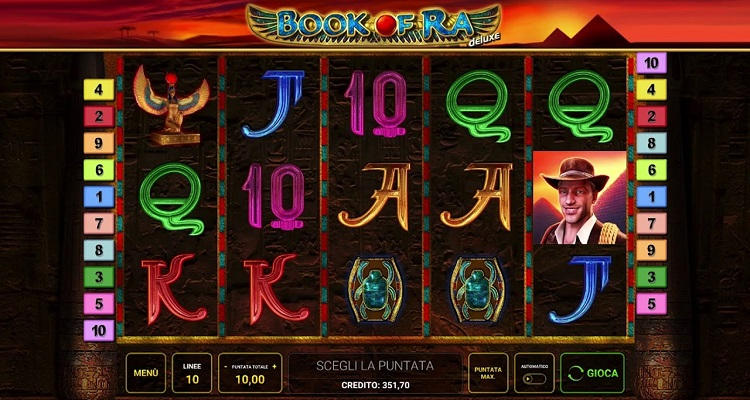
Book of Ra has a massive following here in the UK, but let’s be honest, we’re all playing on assorted gadgets these days. You might have a play on your lunch break using your phone, then get comfy for a longer session on the laptop at home. So, does this iconic slot actually play well on all of them? We opted to stop wondering and start testing. Our team, based in the UK, put Book of Ra through its paces on a whole range of devices—new iPhones, Android phones from top brands to older models, Windows laptops, and iPads. We played at multiple popular UK online casinos to get a real picture. We examined how fast it loaded, how good it seemed, if the touch controls were responsive, and whether it ever froze up. This is a direct report from the front lines, showing you exactly what happens when you launch the game on your own screen. We’ll reveal you what worked flawlessly, point out a few standouts, and warn you about any glitches we found. Whether you’re on the bus or your living room sofa, we want your next hunt for ancient treasure to be smooth sailing. Think of this as your guide to picking the right device for your game, so nothing gets in the way of the fun.
A UK Testing Methodology for Book of Ra
We aimed our tests to be relevant for players actually living in the UK, so we set some ground rules. We chose devices that you’re probably to own: an iPhone 13 and an iPad Air for iOS, a Samsung Galaxy S23 and a Google Pixel 7 for Android, plus a couple of Windows laptops (one gaming, one standard). Every test took place on UK internet, using normal home broadband and mobile data from major networks to simulate how you’d actually play. We didn’t confine to one casino, either. We played Book of Ra on three different UK-licensed sites to see if performance differed. On each device, we completed at least 100 spins per casino, measuring how long it took to load, watching for lag during spins or bonus games, assessing how accurate the taps and clicks were, and judging the visual quality. We also recorded of simple things, like how easy it was to find the bet settings or game rules. This was not about technical jargon from a benchmark test. It was about getting comfortable and playing, recording what felt good, what felt slow, and what just functioned. We strived for the kind of practical advice you’d give a friend.
Performance on iOS: Apple Phone and iPad Observations
Running Book of Ra on Apple devices felt fluid and dependable. On the iPhone 13 and iPad Air, the game launched in a flash, if we employed a casino app or the Safari browser. Tapping the spin button or modifying our bet was quick, with no frustrating delay. The graphics, though classic in style, appeared sharp and vibrant on the screens. The golden scarabs and the explorer character glided seamlessly. When we initiated the free spins bonus, the animations kept up perfectly without a single hitch. One big advantage for iOS was consistency. The game performed the same way across all the different casino apps we tested, which shows us it’s been optimized for iPhones and iPads. The only small complaint was on the smaller iPhone screen, where the row of control buttons at the bottom appeared a little squished together. It was still entirely workable, just a bit cramped. On the iPad, though, the game stood out. The bigger screen rendered it more engaging without stretching the layout, making it ideal for a longer session. We also noticed the game was light on the battery, so you can engage for a good while without searching for a charger.
Android Device Analysis: From Flagships to Mid-Range
Android is a mixed bag because there are so many various phones out there. Our results showed that. On top-tier, recent phones like the Galaxy S23 and Pixel 7, Book of Ra was excellent. It loaded quickly, was highly responsive, and operated flawlessly. The colours looked fantastic on those bright AMOLED displays. Things changed when we transitioned to a mid-range phone. The game needed a bit more time to load up. More significantly, during complex spin animations—especially when symbols expanded—the action sometimes stuttered for a brief moment. It wasn’t game-breaking, but you could notice it if you were looking. This indicates that the phone’s internal power still plays a role. We also saw a bit more difference between playing in a mobile browser versus a specialized casino app on Android relative to iOS. So, what’s the guidance for UK Android users? If your phone is quite modern, you’re in for a great time. If you’re using an aged device, you might get smoother performance by playing directly in your phone’s web browser instead of a demanding casino app, and it always helps to close any other apps you have active in the background.
Desktop and Laptop Experience: Windows Deep Dive
Enjoying Book of Ra on a desktop or laptop is a distinct type of experience, and a great one. On our Windows gaming laptop, the game started in Chrome almost before we tapped. Every animation was entirely smooth. The bigger screen lets you take in the game’s atmosphere more, and using a mouse gives a satisfying sense of control—clicking that spin button has a good, distinct feel to it. We had any technical problems at all. Even on a standard business laptop without a fancy graphics card, the game ran just fine, proving it works without powerful hardware. The key benefit of playing on a computer is the comfort for longer sessions. You can keep the game in one window and a notepad, strategy guide, or your bank statement in another, no problem. For UK players who prefer to sit down for a proper session, or who reminisce about playing slots in arcades, the desktop version is a rock-solid choice. It’s the most stable platform we evaluated, and you needn’t worry about your battery dying or a phone call cutting your bonus round short.
Key Performance Metrics Compared Between Devices
Beyond the tactile experience, we tracked a few key things that influence your session: loading speed, touch latency, and reliability. Load time, from tapping the icon to being game-ready, was swiftest on computers and up-to-date Apple devices (under 3 seconds). New Android flagships were close behind (3-4 seconds), while older Android phones could take up to 7 seconds. Input delay—the interval between your tap and the game reacting—was basically zero on PC, iOS, and new Android phones. On the mid-range Android, we noticed a tiny, barely noticeable delay now and then. As for reliability, the game only crashed once, on that older Android phone during a lengthy session. For everyone else, it was flawless. The takeaway for UK players is clear. The power of your device directly influences these basics. Book of Ra isn’t a heavy game, but having a good, fairly recent device means you spend your time playing, not waiting. These factors are the basis of a smooth session, whether you’re just passing time or hunting for the explorer’s treasure.
Game mechanics and Visual Clarity on Tiny Screens
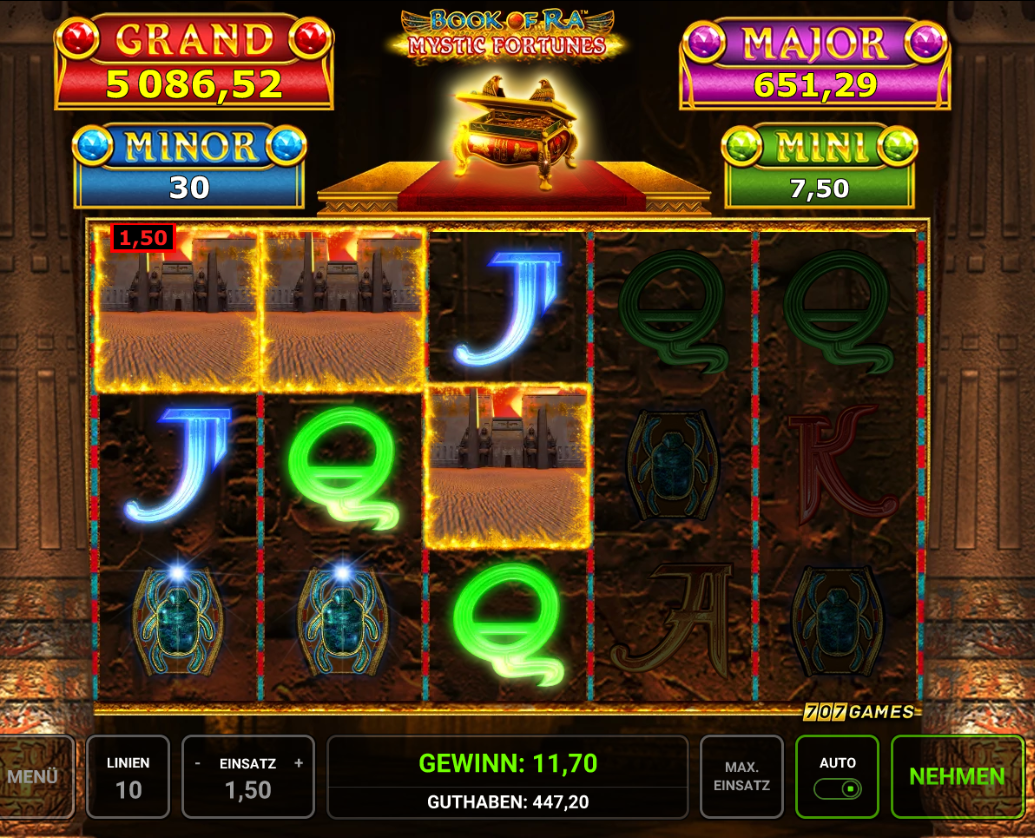
Squeezing a classic slot onto a tiny phone screen can be tough, but Book of Ra does a good job. On screens below 6 inches, the game employs a adjusted mobile layout. The control panel is often reduced or shifted, but the main reels are still sharp and all the symbols are easy to identify. Some of the more detailed artwork, like the elaborate patterns on the Book scatter symbol, can become slightly less sharp. The actual gameplay doesn’t suffer at all; every feature is present and works. The buttons for ‘Spin’ and ‘Max Bet’ are a decent size, so you’re rarely going to press the wrong one by accident. The main visual sacrifice comes in the bonus round. The full-screen animation of the explorer opening the book loses some of its impact on a small display—it’s just less epic. That said, the function is completely unchanged. For UK players who want to play whenever they get some free time, the small-screen version performs admirably. It’s the full Book of Ra experience, scaled down to be pocket-sized. Even the sound effects are still powerful through a phone speaker.
Battery Duration and Heat Effect While Gaming
For mobile players, a key concern is how much power a game consumes and whether it makes your phone hot. We conducted one-hour play sessions on each device to check. On the iPhone 13, the battery decreased by about 12-15% per hour, and the phone remained cool. The iPad Air did even better, consuming only 8-10% of its big battery. Modern Android flagships like the Galaxy S23 showed comparable results, losing 14-18% per hour. The older mid-range Android phone showed a different result. It drained 22-25% of its battery in an hour, and the back of the phone got warm to the touch after about half an hour of constant use. That temperature increase likely is the reason for the slight performance stutters we detected, as the phone slows itself down to reduce heat. PC gamers don’t have to worry about this. What does this mean for you in the UK?
- Tablets (iOS/Android): The ideal option for a lengthy playtime. Battery anxiety is low.
- Modern Smartphones: Suitable for a solid gaming stint, but you’ll need to recharge if you plan to play for hours on end.
- Older/Entry-Level Phones: Be ready for the battery to drop fast and for the device to heat up. Limit your playtime.
Interface and Navigation: Mobile vs Desktop
The way to control Book of Ra changes smartly on your phone and your computer, and each comes with benefits https://bookof.eu.com/book-of-ra/. On mobile, it is optimized for your fingers. To adjust your bet or check the paytable, you often tap a menu icon (often the classic “hamburger” three lines) or a button that appears over the game. This maintains the main screen clean, but it involves an extra tap to change things. We noted this system user-friendly on every phone we used. On desktop, the interface offers a more expansive view. All the betting options, autoplay controls, and game rules sit in panels right next to the reels. You can modify anything with a single click, no menus required. This setup suits a more strategic style of play. One clear discovery was that the ‘Paytable’ screen, where you see what each symbol is worth, is much easier to read on a desktop browser. On a phone, you frequently have to swipe through that information. Your choice of device changes the flow of your game.
- Mobile UI Pros: Minimalist, touch-optimized, functions in portrait or landscape, uncomplicated main screen.
- Mobile UI Cons: Settings are usually hidden in menus, game rules text is often tiny.
- Desktop UI Pros: All controls are visible at once, more straightforward to manage your bet, game info looks more readable.
- Desktop UI Cons: Can seem less dynamic, not really designed for touch (unless you have a touchscreen laptop).
Connectivity and Consistency on UK Mobile Networks
A slot game doesn’t only depend on your phone; it demands a good signal, too. We evaluated Book of Ra on major UK networks like EE, O2, and Vodafone, utilizing both 4G and 5G. On a 5G connection, it was as effective as Wi-Fi: instant loading, no lag, perfectly stable. On a standard 4G connection, performance was still solid most of the time. Load times reached 5-8 seconds, but once the game was running, it was smooth. We encountered a couple of brief “reconnecting” pauses mid-spin when the 4G signal decreased to one bar, like on a train moving through a patchy area. That’s a concern for commuters. The game’s auto-save feature performed admirably when this happened, so we didn’t lose money or bonus round progress. Our practical tip for UK mobile players is to check your signal strength before you start, especially if you’re about to go into a bonus round. If you can use 5G or a trusted Wi-Fi network, you’ll eliminate this worry completely. Think about where you usually play when weighing up using your phone or waiting until you’re at your desktop.

Top Recommendations aimed at UK Players
Based on all this testing on UK soil, here’s our honest advice on what to play Book of Ra on. Your best choice really depends on what matters most to you: convenience, immersion, or rock-solid stability. If you seek the best possible experience with nothing held back, choose a modern iPad or a desktop computer (Windows or Mac). These give you superb performance, a better view of the game, and the smoothest controls for each setup. If you primarily game on the move, a recent iPhone or a premium Android phone is a solid pick, offering desktop-like reliability from your pocket. We’d advise avoiding older or budget Android phones for more than a quick, casual spin. On these devices, the minor performance dips, faster battery drain, and device warmth can accumulate and spoil the fun. The game is finely tuned, but it can’t work miracles on underpowered hardware.
- For Total Reliability & Long Sessions: Use a desktop or laptop. It’s the best for stability, and the interface is ideal for focused play.
- For Superior Mobile Immersion: Choose a recent tablet (iPad or Android). You get the ideal balance of a big screen and portability.
- For On-the-Go Convenience: Use a smartphone that’s less than three years old and confirm you have stable 4G/5G or Wi-Fi to prevent connection drops.
When all is said and done, Book of Ra’s classic design and strong engineering mean it’s enjoyable on pretty much any device you’ll find in the UK. By selecting the right tool for how you like to play, you can ensure your quest for ancient gold is as seamless as the reels spinning. Just bear in mind battery life and signal strength when playing if you’re on a mobile, because these things count as much as your device’s processor. Our tests show that with a small amount of thought, you can experience this classic slot just how it was meant to be played, no matter what screen is in front of you.
